
On Thursday (5), president Donald Trump signed a sweeping proclamation barring entry to the United States for citizens of 12 countries and imposing partial visa restrictions on seven more.
The move, effective Monday (9), marks a return to Trump’s hardline immigration policies from his first term and comes amid heightened national security concerns following a recent attack in Colorado.
Which Countries Are Banned—and Why?
The 12 countries facing a full travel ban are:
Afghanistan, Chad, Republic of the Congo, Equatorial Guinea, Eritrea, Haiti, Iran, Libya, Myanmar, Somalia, Sudan, and Yemen.
Seven countries face partial restrictions:
Burundi, Cuba, Laos, Sierra Leone, Togo, Turkmenistan, and Venezuela.
Key Reasons for the Ban
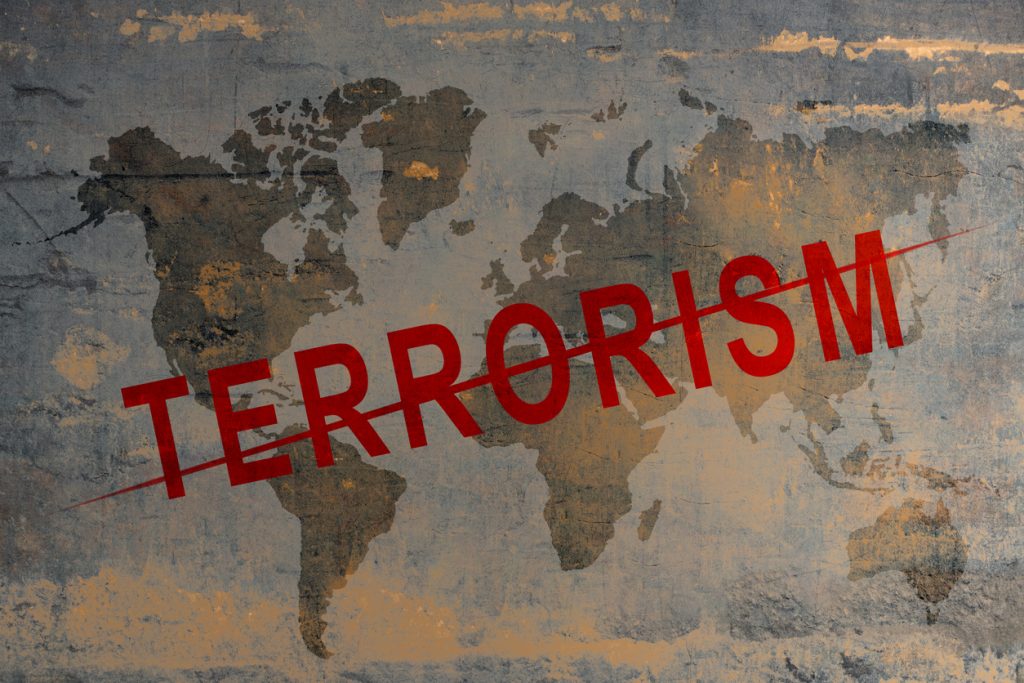
1. National Security and Terrorism Concerns
Trump has repeatedly framed the ban as a measure to “safeguard Americans from hazardous foreign elements”. Many of the countries on the list are accused of harboring terrorist groups, lacking government control, or being unable to properly vet travelers. For example:
Afghanistan is cited for Taliban control and being designated a Specially Designated Global Terrorist (SDGT) entity. The US also claims Afghanistan lacks a competent authority to issue reliable documents and struggles with visa overstays.
Iran is labelled a state sponsor of terrorism, accused of supporting groups like Hamas and Hezbollah, and failing to cooperate with US security efforts or accept deported nationals.
Somalia and Libya are branded as “terrorist safe havens” with weak central governments and histories of terrorist activity.
2. Poor Document Control and Deportation Issues
Several countries, including Eritrea, Sudan, Yemen, and Myanmar, are cited for their inability to issue secure passports or civil documents and for refusing to accept deported nationals from the US. The US government argues this makes verifying identities and tracking individuals difficult, increasing the risk of security breaches.
3. High Visa Overstay Rates
Chad, Republic of the Congo, Equatorial Guinea, and Myanmar are specifically targeted for high rates of visa overstays, when individuals remain in the US beyond their authorized period. For example, Chad had an overstay rate of nearly 50 per cent for business and tourist visas in 2023. The Department of Homeland Security considers these rates a sign of disregard for US immigration laws.
4. Political Instability and Lack of Central Authority
Countries like Haiti and Yemen are cited for lacking effective central governments, which impedes law enforcement and document verification. Haiti, for instance, has seen a surge of migrants fleeing violence and natural disasters, and the US claims this has led to criminal networks and high overstay rates.
Partial Restrictions: Why Only Some Visas Are Blocked
For the seven countries facing partial restrictions, the US limits certain visa categories, such as student and tourist visas, but does not impose a total ban. Reasons include:
Venezuela and Cuba are accused of lacking competent authorities for document issuance, high visa overstay rates, and refusing to accept deportees. Cuba is also labelled a state sponsor of terrorism.
Burundi, Laos, Sierra Leone, Togo, Turkmenistan are all cited primarily for high visa overstay rates.
Trump’s administration argues the ban is a “common-sense” response to global threats and immigration challenges. Critics, however, see it as a continuation of discriminatory policies, noting that many affected nations are in Africa and the Middle East. The White House has indicated the list could be revised as conditions change.
The ban applies only to individuals outside the US without valid visas at the time of the proclamation. Lawful permanent residents and certain visa holders are exempt.
The 2025 travel ban is rooted in concerns about terrorism, document security, visa overstays, and unstable governments. While the administration claims it’s about protecting Americans, the move has reignited debates over fairness, effectiveness, and the broader direction of US immigration policy

