
THE Metropolitan Police commissioner Sir Mark Rowley has said he is determined to “cut the cancer” out of the police force as he announced plans to reform the organisation.
An independent review in March found the Met Police to be “institutionally racist, misogynistic, homophobic” and unable to police itself. It called for urgent reform of Britain’s biggest force.
On Tuesday (18), the Met announced plans to overhaul the force in a £366 million, two-year scheme dubbed ‘A New Met for London.’
Sir Mark said, “We’ve heard the voices of those who have been let down by the Met. Unreservedly, we apologise.
“Whether you’re a woman or a member of London’s LGBT+ community, whether you’re disabled or you’re from a black or ethnic minority background – we’ve heard the concerns you’ve raised. We’re sorry and we will change.”
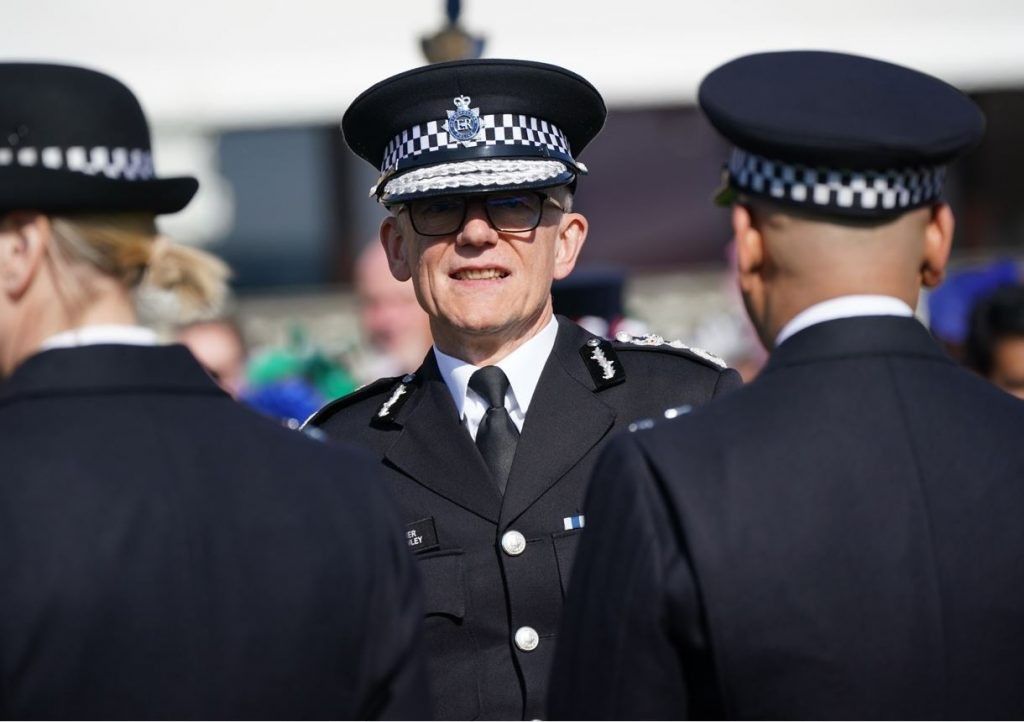
He confirmed there are currently “hundreds” of Met officers being investigated for misconduct cases, which has already resulted in well over 500 police officers on restricted duties and several hundred suspended.
“It’s one thing to cut the cancer out of the body, so to speak; that’s when you want a healthier, stronger body that’s more able to resist infection in the future,” said Sir Mark.
The Met’s plan to win back trust will include the organisation “better reflecting the diversity of the city we serve”. It will become a police service that “doesn’t discriminate – tackling racism, misogyny and homophobia”, Sir Mark said.
To a question by Eastern Eye as to how this will be achieved, Sir Mark said: “We’ve talked at length about removing people for bad behaviour and that’s leading to some vetting reviews, working with government on changes in regulations we didn’t use in cases involving racism.
“We are going hard on the behaviour side of things. In terms of the positive culture, how do you make sure you wire in positive behaviour and the culture into all the stages of promotion and selection?
“We are tracking promotion processes for different ranks – like inspector, chief inspector – and looking at the eligibility mix, in terms of gender or race.”
“Then you look at the successful pool and ensure everyone has an equal opportunity and diversity of this rank is reflected in things moving forward. The reason it is so important is because policing has become a lot more diverse in London in recent years,” he added.
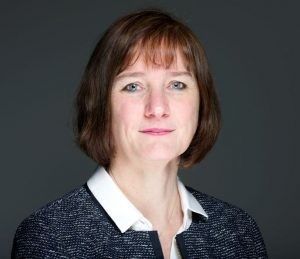
The deputy commissioner, Dame Lynne Owens, said there will be an increased emphasis on building stronger links with local communities in order to rebuild trust, which will start with police chiefs visiting every borough in London.
Some 240 officers will be moved from central to local teams and there are also plans to recruit 500 more community support officers (PCSOs).
Each borough will have at least one front counter open 24 hours a day under the proposals. During to austerity measures implemented from 2010, local borough teams were cut so that between two and four boroughs were covered by one basic command unit.
“We are working much closer with communities in our training now,” said Dame Lynne.
“Community leads are coming into recruitment training when people arrive at Hendon (Police College). And that’s normally followed up now when they go to a BCU (Basic Command Unit) with very local community input.”
Sir Mark said community policing was the “cornerstone” of the service.
“One of the strands of our plan is called ‘fixing foundations’, getting all the basic engineering, in terms of training and equipment for officers, right. As a part of that, we’re looking again at our estate strategy. I’m concerned that some officers, particularly community officers, aren’t within walking distance of their patch. That’s not acceptable.
“So it all comes back to that cornerstone, the community policing team, dedicated ward officers, the PCSOs. We’re increasing them by 500 this year – that team, the relationship with local community, knowing what the big issues are, fixing them and calling in the specialists when they need them.
“Trust is dented, it hasn’t gone away. The way we build trust is through positive work with communities fighting crime”.

